Del Casher, the guitarist whose work helped bring the famous wah-wah pedal to electric guitar players, has died at 88. Casher died on October 1, 2026, according to a report published November 8. His death marks the loss of a musician and inventor whose contribution helped change the sound of modern guitar music.
Casher’s name may not have been as widely recognized as those of the musicians who used his work, but the sound he helped introduce became part of rock music history. From blues and funk to psychedelic rock, the wah-wah pedal gave guitarists a new way to make their instruments sound almost like a human voice.
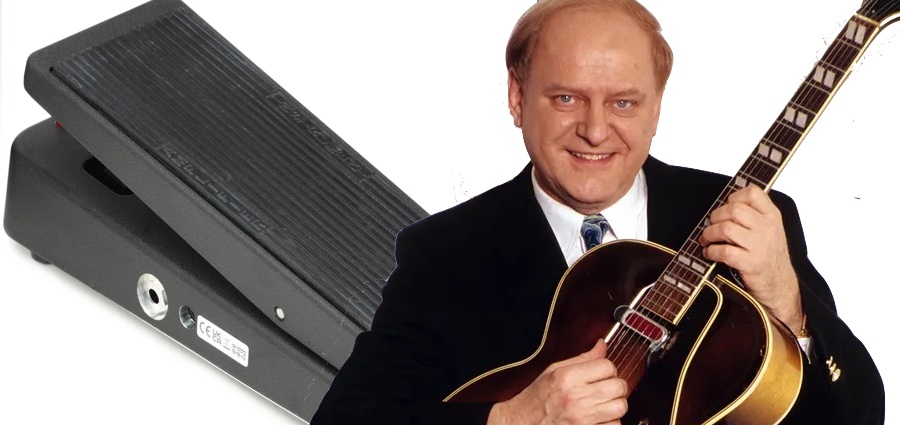
His involvement in the development of the device began in 1966 while he was working with Vox and the Thomas Organ Company. The idea grew from an electronic circuit originally designed to boost midrange frequencies in Vox amplifiers. Casher noticed that adjusting the tone control created an unusual sound that reminded him of a muted trumpet or harmonica.
He believed the effect could give electric guitar players something they had never had before. Rather than leave the circuit inside an amplifier, he pushed for it to be fitted into a volume-pedal housing. That would allow musicians to control the changing sound with their feet while playing.
Engineers Brad Plunkett and Les Kushner worked on turning the circuit into a working pedal. Casher helped shape its sound and argued that the device should be marketed to guitarists rather than being limited to trumpet players. He also recorded guitar demonstrations to show the company what the new effect could do.
Vox introduced its wah-wah pedal in 1967. The device allowed players to move a resonant frequency filter up and down by rocking their feet over the pedal. The result was a shifting sound that could make guitar notes seem to speak, cry, growl or wail.
The effect quickly found a place in popular music. Guitarists could use it to create rhythmic sounds, add character to blues solos or give sustained notes a distinctive vocal quality. Jimi Hendrix and Eric Clapton were among the musicians who helped make the wah-wah sound familiar to millions of music fans.
Its influence did not stop with the rock music of the 1960s and 1970s. Later musicians carried the effect into funk, metal, pop and film soundtracks. More than half a century after its introduction, the wah-wah pedal remains a familiar part of electric guitar equipment.
Casher’s career also extended into film and television. He appeared alongside Elvis Presley in the 1964 movie “Roustabout,” playing guitar on screen. He also appeared with comedian Jerry Lewis in “The Patsy.”
Away from the screen, Casher composed music for more than a dozen television shows and films. He was also connected to Los Angeles’ celebrated studio-music scene and the group of musicians known as the Wrecking Crew. Their work helped shape recordings for major artists, including Frank Sinatra, The Beach Boys and The Monkees.
Following his death, a fundraiser was launched to help his widow, Eiko Kacher, who is facing financial difficulties and the cost of moving into assisted living. The campaign was organized by Al Burg, who described her situation as an overwhelming combination of financial and personal challenges.
Burg said donations would help Eiko pay down credit card debt and secure safe housing with the increasing level of care she needs. The appeal has brought attention to the difficulties facing Casher’s widow following the loss of her husband.
Although Casher’s name may not immediately come to mind when people think about some of rock music’s greatest guitar performances, his contribution can still be heard in the music. The sound he helped bring to the electric guitar became one of the instrument’s most recognizable effects, leaving behind a legacy that continues to reach musicians and listeners around the world.